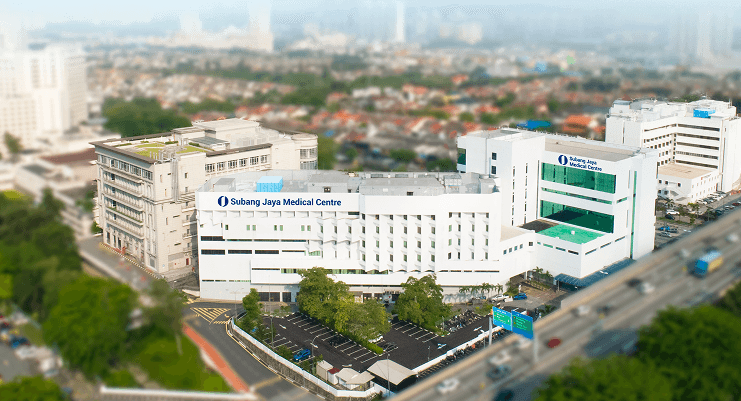
At a glance
A lumbar puncture, also called a spinal tap, is a procedure in which a doctor inserts a thin needle into the lower back to collect a small sample of cerebrospinal fluid (CSF), the clear liquid that surrounds the brain and spinal cord.
CSF acts as a cushion for the brain and spinal cord and carries chemical signals throughout the nervous system. By examining this fluid in a laboratory, doctors can detect signs of infection, bleeding, inflammation, or other changes that do not show up on scans alone.
Medical Condition
Doctors order a lumbar puncture when they suspect a condition affecting the brain, spinal cord, or the fluid around them, and need direct evidence that scans or blood tests cannot provide.
- Meningitis (infection of the membranes surrounding the brain and spinal cord), bacterial or viral
- Encephalitis (inflammation of the brain tissue itself)
- Subarachnoid hemorrhage (bleeding into the space around the brain), especially when CT results are inconclusive
- Multiple sclerosis (MS), to look for specific proteins in the CSF
- Guillain-Barré syndrome (a nerve disorder where the immune system attacks the nerves)
- Certain cancers that may spread to the nervous system, such as lymphoma or leukaemia
- Idiopathic intracranial hypertension (raised pressure inside the skull with no clear cause)
- Unexplained severe headache, confusion, or seizures where a nervous system cause is suspected
A lumbar puncture is not suitable for everyone. Doctors will usually avoid it or delay it in certain situations.
- Signs of raised pressure inside the skull that could make the procedure dangerous, such as a large mass seen on a brain scan
- Infection of the skin or tissue at the lower back where the needle would be inserted
- Severe blood-clotting disorders or current use of blood thinners that have not been managed
- Severe spinal deformity that makes safe needle placement very difficult
Risks & Complications
A lumbar puncture is a routine diagnostic procedure and is generally considered safe, but like any procedure involving a needle, it carries some recognised risks.
- Post-lumbar puncture headache: the most common side effect, felt at the front or back of the head and made worse by sitting or standing; it usually improves within a day or two with rest and fluids
- Back pain or tenderness at the needle site, which typically fades within a few days
- Minor bleeding at the puncture site
- Temporary shooting pain or tingling down one leg if the needle briefly touches a nerve root
- Infection at the puncture site or, very rarely, around the spinal cord
- In patients with undetected raised brain pressure, a rare but serious complication called brainstem herniation (downward shift of brain tissue) can occur; this is why doctors usually perform a brain scan first
Preparation & Procedure
Most patients do not need to fast before a lumbar puncture, but the care team will give specific instructions depending on the hospital's protocol and whether sedation is planned. Any blood thinners or antiplatelet medicines are usually paused for a set number of days beforehand, as decided by the treating doctor. Smoking and alcohol are best avoided in the days leading up to the procedure, as they can affect blood clotting and how the body responds.
Before the procedure, the doctor will usually order some preparatory tests and checks.
- Blood tests to check clotting ability (prothrombin time and platelet count)
- A CT scan or MRI of the brain to rule out raised pressure inside the skull or any mass that would make the procedure unsafe
- Blood pressure and general observations to confirm the patient is stable
On the day, the procedure itself follows a standard sequence of steps, though the exact approach may vary slightly between hospitals and clinicians.
- The patient lies curled on their side or sits leaning forward, rounding the lower back to open the spaces between the vertebrae (the small bones of the spine).
- The skin over the lower back is cleaned thoroughly with an antiseptic solution.
- A local anaesthetic (numbing medicine) is injected into the skin and deeper tissue to reduce discomfort.
- Once the area is numb, a thin hollow needle is carefully guided between two lumbar vertebrae (usually in the L3-L4 or L4-L5 space, low in the back, below where the spinal cord ends) into the CSF space.
- The doctor may first measure the opening pressure of the fluid using a simple gauge attached to the needle.
- Small samples of CSF are collected into several tubes for laboratory analysis.
- The needle is removed and a small dressing is placed over the site.
- The patient rests for a short period, usually lying flat, before returning to the ward or going home.
Aftercare
After the procedure, most patients are observed for one to several hours and can return home the same day if no complications arise, though some hospitals prefer an overnight stay. Lying flat for a period after the procedure helps reduce the chance of a post-puncture headache.
- Rest for the remainder of the day; avoid strenuous activity for at least 24 hours
- Drink plenty of fluids to help the body replace the small amount of CSF that was removed
- Keep the dressing on the puncture site clean and dry; the site usually heals quickly without stitches
- Avoid heavy lifting or bending that strains the lower back for a few days
- Contact the care team if a headache develops that is not relieved by lying down and drinking fluids, or if there is fever, increasing back pain, leg weakness, or any fluid leaking from the puncture site
- Follow up with the referring doctor once laboratory results are available, as the results guide the next steps in diagnosis or treatment
- If a headache persists beyond a couple of days, the doctor may offer a simple treatment called a blood patch (an injection of the patient's own blood near the puncture site to seal any tiny leak of CSF)
Cost & What Determines It
The cost of a lumbar puncture varies considerably depending on where it is performed, why it is performed, and what additional care surrounds it. Because this procedure is almost always part of a broader diagnostic workup rather than a standalone event, the final bill often reflects not just the puncture itself but the full package of testing and monitoring around it.
- Complexity of the case: a straightforward diagnostic tap in a stable patient costs less than one performed under imaging guidance or with additional pressure monitoring
- Hospital class and country: a private specialist hospital in a major city charges significantly more than a general hospital, and costs differ widely between countries
- Brain imaging before the procedure: a CT or MRI ordered on the same admission adds substantially to the total
- Laboratory analysis of the CSF: the number of tests run on the fluid (cell count, protein, glucose, culture, specialist markers for MS or cancer) directly affects the cost
- Length of stay: a same-day discharge costs less than an overnight or multi-day admission
- Ward or room type: a private room carries a higher daily rate than a shared ward
- Specialist fees: the neurologist or internist performing and interpreting the procedure may bill separately from the hospital facility fee
- Sedation or anaesthesia: if sedation is used, an anaesthetist fee is added
A hospital package for a lumbar puncture typically includes the procedure itself, the nursing care during observation, and a standard set of CSF tests. Brain imaging, specialist consultations, additional laboratory panels, sedation, and any follow-up visit are usually billed separately and can add meaningfully to the total.
BPJS Kesehatan and most Indonesian private insurance plans do not cover medical treatment received abroad, so patients who travel overseas for this procedure generally pay out of pocket or rely on international private health insurance. Before travelling, ask the hospital for a written cost estimate that lists each item individually. This makes it easier to understand what is and is not included, and to compare options without unexpected charges on arrival.
Frequently Asked Questions
Does a lumbar puncture hurt?
Most people feel pressure and a brief sharp sting when the local anaesthetic (numbing medicine) is injected, but the needle that collects the fluid usually causes little more than pressure. Some people also get a dull ache in the lower back for a day or two afterwards, which typically settles on its own.
How do I prepare for a lumbar puncture, and do I need to fast?
Fasting is not usually required before a lumbar puncture, though your doctor may give you specific instructions depending on your overall condition. You will be asked about any blood-thinning medicines you take, because these may need to be paused before the procedure. Wearing loose, comfortable clothing and arranging for someone to take you home is generally a good idea.
How long does a lumbar puncture take?
The procedure itself usually takes between 15 and 30 minutes from start to finish. You will then be asked to lie flat for a period of time, often around an hour, to reduce the chance of a headache afterwards. The total time you spend at the facility is commonly two to four hours.
How much does a lumbar puncture cost?
The cost varies depending on the class of hospital you choose, whether imaging such as fluoroscopy (live X-ray guidance) is used to assist the procedure, and the fees for laboratory analysis of the fluid collected. The best way to get an accurate figure is to request a written estimate from the hospital before your appointment.
This page is general information, not a substitute for medical advice. Every case is different. Your doctor decides what is right for you.