
Choosing a cancer hospital in Penang should begin with the type of cancer and treatment needed, not just the hospital name. Patients who require chemotherapy have different facility needs than patients who need radiotherapy, cancer surgery, blood cancer treatment, or a combination of several therapies.
Penang has several multispecialty hospitals with oncology services or centres. This means the term cancer hospital in Penang does not always mean that hospital exclusively treats cancer. In many facilities, cancer services are part of a hospital that also has surgery, radiology, pathology, ICU, and various other specialisations.
This can in fact be important in cancer cases requiring multidisciplinary management. Lung cancer patients, for example, may need an oncologist, pulmonologist, radiologist, pathologist, and surgeon. Meanwhile, breast cancer patients may require a combination of breast surgeon, medical oncologist, radiation oncologist, breast radiologist, and other specialists.
Therefore, before choosing a Penang cancer hospital, compare doctors, diagnostic facilities, available therapies, and how the hospital coordinates care from diagnosis to follow-up.
What Should Be Available at a Cancer Centre?
A comprehensive cancer centre does not only need oncologists. Cancer diagnosis and treatment may involve several interrelated services. One important component is pathology. Biopsy and histopathology results help determine the type of cancer, while in certain conditions biomarker or molecular testing may influence therapy choices.
Radiology also plays an important role in viewing the location and extent of disease. CT, MRI, ultrasound, or PET-CT may be used based on cancer type and examination purpose. However, not all patients require all types of imaging. For treatment, patients may need medical oncology, radiotherapy, surgery, or a combination of several modalities. In blood cancers, haematology services also become important.
Therefore, when comparing cancer hospitals in Penang Malaysia, check whether there are:
- oncology services
- pathology
- diagnostic imaging
- chemotherapy
- radiotherapy if needed
- surgeons based on cancer type
- haematology if relevant
- supportive care
- ICU and inpatient services for certain cases
- multidisciplinary team or MDT approach
Not all hospitals must have all these services to be able to treat cancer patients. What matters is whether the facilities needed for the patient's condition are available and how the hospital coordinates services not available at the same location.
Types of Cancer Services to Compare
Before choosing a hospital, first understand what therapy may be needed. Patients still in the diagnostic process may require different facilities than patients who already have a treatment plan.
Diagnosis and Staging
The initial stage may include biopsy, pathology, blood tests, CT, MRI, PET-CT, or other examinations based on cancer type. The aim is not only to confirm that cancer is indeed present, but also to determine the type and characteristics of the tumour and how far the disease has progressed.
For patients already examined in Indonesia, ask whether pathology and imaging results can be reviewed before tests are repeated. This can help avoid repeating tests that may not be necessary.
Systemic Therapy
Systemic therapy may include chemotherapy, targeted therapy, immunotherapy, and hormonal therapy. The type of drug is determined based on the cancer, stage, patient condition, previous therapy, and biomarker results in certain conditions.
Because therapy may last several cycles, Indonesian patients should ask whether all therapy needs to be done in Penang or whether part of the treatment and monitoring can be coordinated after returning.
Radiotherapy
If the patient requires radiotherapy, check whether the hospital has its own radiotherapy facility and what techniques are available. Techniques such as IMRT, IGRT, VMAT, SBRT, or SRS have different uses. More complex technology is not automatically required for every cancer. What is more important is whether the radiation oncologist considers the technique appropriate for the tumour location and treatment goal.
Cancer Surgery
Cancer surgery is often performed by surgeons based on organ or body system, not only by doctors with the title surgical oncologist. Examples may include breast surgeons, colorectal, hepatobiliary, thoracic, gynaecological oncology, urology, or orthopaedic oncology. Therefore, for patients who may need surgery, check not only the hospital's oncology services but also surgeons relevant to the cancer type.
Hospitals in Penang with Oncology Services
Several hospitals in Medifly's network in Penang have cancer-related services. The differences lie in doctors, scope of therapy, diagnostic facilities, and support services. The following list is not a ranking of best hospitals, but an overview to help patients understand what needs to be compared.
Island Hospital
Island Hospital provides Clinical Oncology & Haemato-Oncology services for solid tumours and blood cancers. Listed services include chemotherapy, targeted therapy, and immunotherapy based on patient needs.
This may be a consideration for patients requiring evaluation not only for solid tumours such as breast or prostate cancer, but also diseases such as leukaemia, lymphoma, or myeloma.
Island Hospital also has doctors from fields that may be involved in cancer care based on organ. In Medifly's registry, for example, there are doctors with a focus on orthopaedic oncology for bone and soft tissue tumours and urology with a uro-oncology focus.
For patients considering Island Hospital, the next step is to confirm the therapy modalities needed for the specific diagnosis, as it should not be assumed that all technologies are available solely based on the presence of oncology services.
Pantai Hospital Penang
Pantai Hospital Penang provides oncology services with cancer diagnosis and treatment support. The diagnostic facilities listed include laboratory tests, biopsy, CT, MRI, PET-CT, and ultrasound.
The hospital also uses an approach that involves oncologists together with other medical fields according to patient needs. If considering Pantai Hospital Penang, patients should confirm the therapy needed based on diagnosis, especially the availability of radiotherapy, specific medications, relevant surgeons, and doctor schedules before traveling.
Are There Dedicated Cancer Hospitals in Penang?
This model can have advantages for patients who require multiple specialists at once. Cancer patients with heart disease, kidney disorders, or specific surgical needs, for example, may require support from other medical fields during therapy.
Therefore, "cancer-dedicated" status does not automatically become an indicator that a facility is more suitable. To choose a cancer hospital in Penang Malaysia, it is more important to look at capabilities relevant to the patient's type of cancer.
How to Compare Cancer Hospitals in Penang?
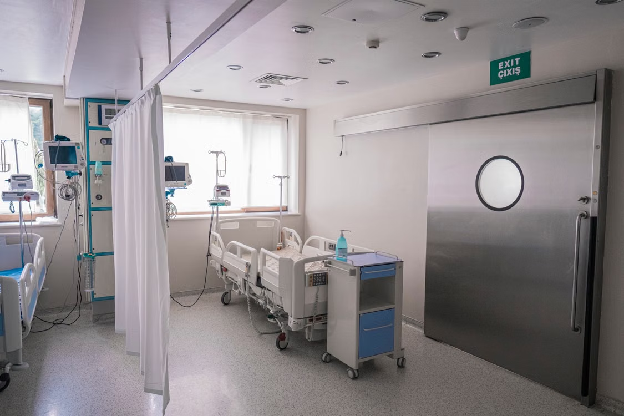
Start from the diagnosis. If the patient has breast cancer, check whether there is a breast surgeon, medical oncologist, radiation oncologist, pathology, and relevant imaging facilities. For leukemia or lymphoma, hematology services become more important.
Then check the therapy that may be needed. If the doctor has already recommended radiotherapy, confirm whether the facility has onsite radiotherapy. If the patient requires complex surgery, check the surgeons and ICU support.
Some useful questions when comparing facilities are:
- Is there a doctor with a focus on my type of cancer?
- Can cases be discussed through MDT?
- Is pathology review available?
- Is PET-CT required and available?
- Is radiotherapy performed at the same hospital?
- What radiotherapy techniques are available if I do need them?
- Are the recommended medications available?
- Is there a day care facility for therapy?
- What support is available if side effects occur?
- Are international patient services available?
- How is follow-up after returning to Indonesia?
With questions like these, patients compare based on clinical needs, not just hospital names.
Read also: Cancer Treatment in Malaysia: Hospitals, Doctors & Cost Estimates
Documents That Should Be Sent Before Departure
Patients do not always have to start the entire diagnostic process from the beginning when coming to Penang. If medical records from Indonesia are already available, prepare biopsy and histopathology reports, CT/MRI/PET-CT, original imaging files if available, laboratory results, biomarker results, surgical reports, and details of chemotherapy or radiotherapy previously performed.
These documents can help the hospital understand the patient's condition and determine whether there are examinations that need to be repeated. For a second opinion, the hospital may request slides or pathology blocks for re-review. Do not send such material before knowing the shipping procedures and facility requirements. The more complete the initial information, the easier it is to determine the appropriate doctor and estimate the consultation stages after the patient arrives.
What Are the Treatment Costs at Penang Cancer Hospitals?
There is no single price that represents cancer treatment costs in Penang. Costs can start from consultation and pathology review, then increase based on imaging, molecular testing, surgery, chemotherapy, radiotherapy, medications, and hospitalization needs.
For chemotherapy, targeted therapy, or immunotherapy, the type of medication and number of cycles can be a major factor. For radiotherapy, technique and number of sessions affect the total cost. Surgery can also involve doctor fees, anesthesia, operating room, ICU, and length of hospitalization.
Therefore, patients should request estimates based on medical records, not just ask "what is the cost of cancer treatment". If the treatment plan cannot be confirmed before consultation, ask for estimates per stage so patients can understand the initial evaluation costs first before making the next decision.
The Process for Indonesian Patients Seeking Cancer Treatment in Penang
The process can begin before the patient travels. In general, the flow can be:
Gathering medical records → selecting hospital and doctor → sending documents → making appointment → consultation → review or additional examinations → confirming diagnosis and staging → discussing treatment plan → treatment → follow-up.
Patients who already have a complete diagnosis may not need the same flow as patients still in the investigation stage. After the treatment plan is determined, ask whether all treatment must be done in Penang. For therapy lasting several months, some monitoring or care may be coordinated with doctors in Indonesia depending on the regimen and patient condition.
Before returning home, request a medical summary, treatment report, medication list, examination results, and monitoring schedule so that care can be continued in a more structured manner.
How Does Medifly Help Compare Cancer Hospitals in Penang?
Medifly helps Indonesian patients explore hospitals and doctors in its network based on cancer type and care needs.
Rather than just providing a list of Penang cancer hospitals, the process can start from the patient's diagnosis. Information about pathology, staging, previous therapy, and consultation purpose can help narrow down facility choices.
Medifly can help:
- compare facilities within the network
- find doctors based on cancer type
- prepare and send medical records
- arrange appointments
- assist with the second opinion process
- request information about cost estimates
- assist communication with hospitals
- coordinate travel to Penang
- assist with follow-up needs
Medifly does not determine which hospital is "best" and does not choose cancer therapy for patients. Clinical decisions remain with doctors based on evaluation of the patient's condition.
Conclusion
Choosing a cancer hospital in Penang should not be based solely on reputation or the amount of technology available. Gleneagles Hospital Penang, Penang Adventist Hospital, Island Hospital, Loh Guan Lye Specialists Centre, and Pantai Hospital Penang have different scopes of services. Some have radiotherapy facilities, some have haematology services, while the strengths of surgeons and subspecialisations also differ.
Therefore, start with the type of cancer, the doctors needed, and the therapy that may be required. Then compare the relevant pathology, imaging, radiotherapy, surgical services, haematology, ICU, MDT, and international patient support. For Indonesian patients, the ability to send medical records before departure and having a follow-up plan after returning are equally as important as choosing the hospital.
Need Help Comparing Cancer Hospitals in Penang?
Medifly can help you navigate facilities and doctors in the network based on cancer type and treatment needs, arrange consultations, and coordinate medical records and treatment travel to Penang.
References:
Ministry of Health Malaysia – Cancer Clinical Practice Guidelines


