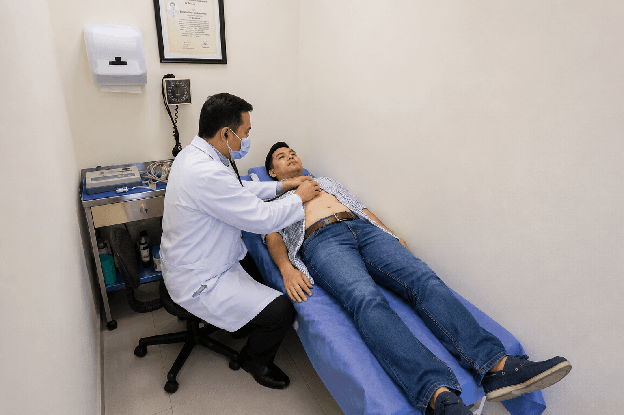
For Indonesian patients who want to undergo routine health examinations, medical check-ups in Malaysia offer various package options in several cities, especially Kuala Lumpur and Penang. The options can range from general health screening to more targeted examinations based on age, gender, heart health, or specific risk factors.
However, packages with the most tests are not necessarily the most appropriate choice. The needs of a 30-year-old person without risk factors are certainly different from those of a 55-year-old person who has diabetes, high blood pressure, or a family history of heart disease.
Therefore, before choosing a Malaysia medical checkup, it is advisable to first determine the purpose of the examination, the city you wish to visit, the risk factors you have, and what examinations are actually relevant. Patients also need to consider whether the results will be reviewed by a doctor and how follow-up will be conducted if abnormal results are found.
This guide discusses city options, types of packages, commonly available examinations, costs, preparation, and how to choose a medical check-up in Malaysia more purposefully.
What Is a Medical Check-Up and What Is Its Purpose?
A medical check-up or health screening is an examination conducted to evaluate health conditions and identify risk factors, including in people who do not yet have specific symptoms.
The examination may include medical history, blood pressure, weight, physical examination, blood tests, and other tests based on age or risk. The purpose is not to search for all possible diseases that may be in the body, but to help find risk factors or certain conditions that deserve early attention.
For example, someone may feel healthy but have high blood pressure, blood sugar, or cholesterol. Screening can help detect these conditions before they cause complications. Regular examinations can also be used to compare changes in health over time.
However, there is no single medical check-up package that can ensure someone is "100% healthy" or free from all diseases. Therefore, the benefit of a package is not determined by how many tests are available, but whether those examinations are relevant to the patient's profile.
Medical Check-Up Is Different from Diagnostic Examination
The difference between screening and diagnostic examination is important to understand before purchasing a Malaysia medical check-up package.
Health screening is primarily intended for people without specific complaints who want to evaluate health risks. Meanwhile, diagnostic examination is used when someone already has symptoms or there are certain findings that need investigation to determine the cause.
For example, someone experiencing recurrent chest pain or shortness of breath during activity should not just take a general health screening and hope that package can determine the cause. A doctor's consultation or specialist with examinations selected based on symptoms may be more appropriate.
The same applies to complaints such as unexplained weight loss, unusual bleeding, lumps, prolonged abdominal pain, recurrent fever, or significant changes in body function.
Simply put, screening asks, "Are there undetected risk factors or health problems?" While diagnostic examination asks, "What is the cause of the symptoms or findings that already exist?"
If you already have symptoms, inform the hospital or Medifly team before choosing an MCU package so that the patient can be directed to a more suitable type of consultation.
Also read: Rumah Sakit Malaysia: Panduan Berobat untuk Pasien Indonesia
Why Do Indonesian Patients Consider Medical Check-Ups in Malaysia?
Malaysia has become one of the choices for Indonesian patients because it has several cities with health facilities that serve international patients. Kuala Lumpur and Penang, in particular, have hospital options and health screening packages within the Medifly network.
Geographic proximity can also facilitate travel, especially for patients who want to conduct routine examinations while consulting with doctors if something is found that requires further evaluation.
The package options are also diverse. In the Medifly registry, facilities in Malaysia offer categories such as general screening, executive health screening, men's and women's health, senior screening, and heart and metabolic screening. The types and scope of examinations differ at each facility.
However, this does not mean that examinations in Malaysia are automatically better or cheaper compared to other countries. The decision should be based on patient needs, facility options, package coverage, available time, and the possibility of requiring follow-up after the examination.
Kuala Lumpur or Penang for Medical Check-Up?
The two most relevant cities for Indonesian patients in the context of medical check-ups in Malaysia are Kuala Lumpur and Penang. There is no one city that is always better. Both can meet different needs.
Medical Check-Up in Kuala Lumpur
Kuala Lumpur and the surrounding metropolitan area offer quite diverse hospital and screening options. Within the Medifly network, patients can find general executive screening as well as packages more targeted at women's health, men's health, elderly, heart, and metabolic health.
Kuala Lumpur can be a choice for patients who want more facility options or have risk factors that may require consultation with specialists after screening. If examination results show certain problems, the availability of various specialist services in one city can facilitate the subsequent evaluation process.
However, do not choose Kuala Lumpur just because a hospital has a very comprehensive package. Compare the examination components one by one and see whether those tests are indeed relevant to age and health conditions.
If you have already determined Kuala Lumpur as your destination, patients can read the guide medical check up di Kuala Lumpur to see package options, examinations, costs, and preparation more specifically.
Medical Check Up in Penang
Penang is also one of the popular medical travel destinations for Indonesian patients. A number of hospitals in Medifly's network in Penang provide healthcare services for international patients and health screening options.
Penang can be considered by patients who find it easier to access the city or already have a hospital and doctor they wish to visit. Just like Kuala Lumpur, the choice should be made based on the scope of examination, the doctor conducting the review, result turnaround time, and follow-up possibilities.
If a patient only requires general health screening, practical factors such as flights, hospital location, accommodation, and travel duration can carry considerable weight in the decision.
Patients who are already considering Penang can refer to the medical check up guide in Penang for a more specific discussion on packages and facilities in that city.
So, Which City Should Be Chosen?
Rather than asking which city is "best", consider more practical questions:
- Which city is most easily accessible from where you live?
- Which hospital has a package that suits your needs?
- Is there a possibility of needing specialist consultation?
- How many days can be allocated?
- Can the results be reviewed before returning home?
- Is it necessary to return for follow-up examinations?
- Can the facility assist international patients?
For general screening, convenience and package suitability may be more important than the city's name. For patients with specific risk factors, hospital choice and access to specialists may be a greater consideration.
Types of Medical Check Up Packages in Malaysia

Package names differ across hospitals. Terms such as "basic", "executive", or "premium" are not universally applicable medical classifications either. Therefore, always look at the examination components, not just the package name.
Basic or General Health Screening
General packages usually focus on common health risk factors. Components may include physical examination, blood pressure, weight and BMI, blood sugar, lipid profile, as well as several basic laboratory tests.
This type of package can be a starting point for adults who want to get a general picture of their health condition and do not have more specific screening needs.
However, "basic package" coverage can vary greatly between hospitals. One package may already include liver and kidney function, while another makes them additional tests. Therefore, before comparing prices, first look at the test list and whether there is a doctor consultation to explain the results.
Executive Health Screening
Executive screening usually has broader coverage compared to basic packages. Certain packages may add ECG, imaging, more extensive organ function tests, or other screenings.
However, the word "executive" does not mean the package is medically superior. It is generally a commercial term for packages with more tests or more complete facilities.
Patients still need to question the benefit of each examination. If a package includes several tumour markers, imaging, or additional cardiac tests, ask whether these tests are indeed appropriate for your age and risk profile.
A package with 40 tests is not automatically better than a package with 20 tests selected based on need.
Women's Health Screening
Women's health packages usually combine general health examinations with several screenings relevant to age and risk factors.
Basic components may include blood pressure, blood sugar, lipid profile, and organ function, then add examinations such as cervical cancer screening or breast screening for appropriate patient groups.
Not all of these examinations are needed at all ages. The type and interval of cervical screening, for instance, need to consider age and previous screening history. Likewise with mammography, whose use should consider age and risk profile.
Family history is also important. Someone with close family members who have a history of breast or ovarian cancer may need more specific risk discussion than simply choosing women's screening based on the package name. Therefore, women's health packages should be viewed as a starting point that is then tailored to individual needs.
Men's Health Screening
Men's health screening usually combines general health examinations with several evaluations relevant to men's health based on age and risk.
Blood pressure, blood sugar, lipid profile, weight, and cardiovascular disease risk remain important components because metabolic conditions can develop without causing symptoms in early stages.
Some packages also include prostate examinations such as PSA. However, PSA is not a test that is automatically needed by every man. Age, family history, health condition, as well as the benefits and limitations of screening need to be considered.
The same applies to other tumour markers that are sometimes included in men's health packages. More markers do not mean more accurate package capability to detect cancer. Therefore, do not choose men's screening based solely on the number of "men-specific" tests listed.
Heart and Metabolic Screening
Heart and metabolic examinations may be more relevant for patients with hypertension, diabetes, high cholesterol, obesity, smoking habits, or family history of heart disease.
Evaluation can start from simple factors such as blood pressure, blood sugar, lipid profile, weight, BMI, and medical history. Some packages also include ECG to record the heart's electrical activity.
However, examinations such as echocardiography, stress test, or more complex cardiac imaging are not automatically needed by everyone who wants to do screening. If a patient is already experiencing chest pain, shortness of breath during activity, fainting, or other cardiac complaints, diagnostic consultation with a doctor may be more appropriate than purchasing a cardiac screening package.
What Tests Are Generally Included in a Medical Check-Up in Malaysia?
Although package components differ, there are several examinations that are quite commonly found in medical check-ups in Malaysia.
Physical Examination and Risk Factors
A medical check-up should not consist only of laboratory tests. Medical history, blood pressure, body weight, BMI, smoking habits, physical activity, alcohol consumption, medications used, and family disease history can provide important information regarding health risks.
For example, cholesterol results have different meanings for a young person without risk factors compared to someone with diabetes, hypertension, and a family history of heart disease. Therefore, interpretation of results should always consider the patient as a whole, not just whether a number falls outside the laboratory range.
Blood Sugar and Lipid Profile
Blood sugar examination can help evaluate the risk of glucose regulation disorders or diabetes. The type of test used may differ based on the package and patient condition.
A lipid profile usually examines several components such as total cholesterol, LDL, HDL, and triglycerides. These results help doctors evaluate cardiovascular risk together with other factors.
One abnormal result does not always mean the patient immediately needs medication. Doctors may consider age, blood pressure, diabetes, smoking habits, family history, and overall risk level before determining the next steps.
If previous results are available, comparing changes over time can also provide more useful information than looking at a single result in isolation.
Liver and Kidney Function
Many medical check-up packages include tests related to liver and kidney function. Liver examination may include several enzymes and other parameters, while kidney evaluation may use creatinine and related indicators. The actual components differ based on the package.
Abnormal results do not always mean the organ has sustained severe damage. Medications, infections, hydration, physical activity, or other medical conditions can affect some parameters. Therefore, abnormal results may need to be confirmed or evaluated further before a diagnosis is made.
Urinalysis
Urinalysis can provide information about several conditions through examination of components in urine. Findings such as protein, blood, or sugar may require further evaluation, but a single abnormal result does not always indicate a specific disease.
Sample collection method, menstruation, physical activity, infection, and other factors can affect results. Doctors may request repeat examination if findings do not match the clinical condition.
How to Choose the Right Cancer Screening?
Cancer screening is one of the parts that often attracts patients to more expensive medical check-up packages. However, cancer screening does not mean doing as many cancer tests as possible.
Beneficial examinations usually have specific target groups based on age, gender, or risk factors. Examples include screening for cervical, breast, or colorectal cancer in appropriate populations.
Family history can also change the approach. If there are several family members with a specific cancer, especially at a young age, the patient may need a more specific risk assessment rather than simply taking a general cancer screening package.
The important thing is to understand that there is no single blood test or single package that can confirm someone is free from all types of cancer.
Are Tumor Markers Necessary in a Medical Check-Up?
Tumor markers often appear in medical check-up packages in Malaysia, especially executive or cancer screening packages. However, their use needs to be understood carefully.
Tumor markers are specific substances that can be measured in blood or tissue. Some markers have a role in monitoring patients who already have a cancer diagnosis or in certain clinical situations. The problem is, markers can be elevated in non-cancer conditions. Conversely, someone with a certain cancer may also have tumor markers that are not elevated.
This means that high results can cause worry and additional examinations even though in the end no cancer is found, while normal results can give a false sense of security.
Therefore, tumor markers are not a universal examination to prove someone is cancer-free. Their use should be considered based on clinical context and doctor's recommendations.
Are More CT Scans, MRIs, and Ultrasounds Better?
No. Imaging can be a very useful tool when used for the right clinical questions. However, performing imaging just because it is available in a package does not always provide additional benefit.
Ultrasound does not use radiation and can be used to evaluate certain organs, but it still has limitations and is not needed for everyone. CT scans provide good anatomical detail but use radiation. The use of CT as screening in people without indications needs to consider benefits and risks.
MRI does not use ionizing radiation but is also not a "whole body" examination that is automatically needed for a medical check-up.
The more imaging performed, the greater the likelihood of finding incidental findings, which are findings unrelated to the main health problem but then require additional examination.
Therefore, the presence of CT, MRI, or multiple ultrasounds should not be the main reason for choosing a package.
How to Compare Hospitals and Medical Check-Up Packages?
After determining the city, compare packages based on what the patient actually receives. First, check test coverage. Two packages with the name "executive" can have very different contents.
Second, find out whether there is a doctor's review. Receiving dozens of laboratory results without explanation can make it difficult for patients to understand what is important and what is only slightly outside the normal range.
Third, ask how long results are available. This is very important for Indonesian patients who are only staying a few days.
Fourth, check the follow-up mechanism. If abnormal results are found, can the patient consult with a doctor? Can the hospital arrange specialist referrals? Can results be taken to be followed up in Indonesia?
Finally, consider international patient services, language communication, hospital location, and ease of travel. The most appropriate package is one that provides relevant information and has a clear follow-up pathway, not just the longest list of examinations.
How Much Does a Medical Check Up Cost in Malaysia?
The cost of medical check up in Malaysia can differ significantly based on city, hospital, type of package, and examinations chosen.
General packages typically have lower costs compared to executive screening due to more limited test coverage. Packages that add imaging, cardiac examinations, specialist consultations, or specific screening usually have higher costs.
However, the initial package price may not necessarily be the total cost that will be incurred. Some examinations may be offered as add-ons, while abnormal results may lead doctors to recommend repeat tests, additional imaging, or consultations with specialists.
Therefore, before choosing a package, check whether the price already includes:
- consultation and physical examination
- laboratory tests
- imaging listed in the package
- review of results by doctor
- examination results report
- consultation after results are released
- additional examinations or consultations if needed
For Indonesian patients, travel costs also need to be taken into account. Packages with lower prices do not necessarily result in lower total expenditure if patients have to stay longer or return for results consultation.
Conversely, more expensive packages also do not necessarily provide greater benefits if some of the examinations are not relevant to the patient's age and risk factors. The best way to compare costs is to look at what is obtained from each package and whether those examinations are actually needed, not just comparing price figures.
Preparation Before Medical Check Up in Malaysia
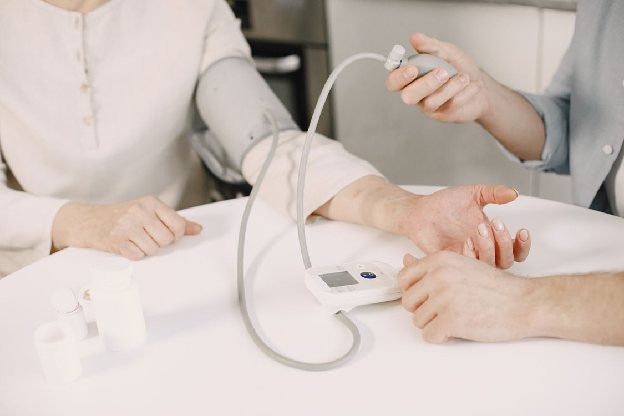
After determining the city, hospital, and package, patients should confirm preparation instructions before departing. Requirements may differ based on the type of examinations included in the package.
Some blood tests may require fasting for a certain period. However, not all medical check-ups require fasting. Avoid fasting longer than requested because this can also affect body condition and certain examination results.
Patients using routine medications should also not stop medications on their own just because they will undergo a medical check-up. Provide a list of medications and supplements to the facility or doctor and ask whether there are special instructions on the examination day.
Before departing, prepare:
- previous medical check-up results
- list of medications and supplements
- medical history
- surgery or hospitalization history
- information about allergies
- family medical history
- previous doctor's reports if available
Bringing previous MCU results is quite important. Besides helping doctors see changes over time, those results can help avoid repeating examinations that were recently done and are still relevant. Female patients should also inform if they are or might be pregnant, especially if the package involves X-ray or other examinations that use radiation.
Also read: Medical Tourism Indonesia: Panduan Berobat ke Luar Negeri
What is the Medical Check Up Flow in Malaysia for Indonesian Patients?
The medical checkup Malaysia process can begin even before patients depart from Indonesia. The first step is determining the purpose of the examination. Does the patient only want to do general health screening, have certain risk factors, need women's or men's health screening, or want to evaluate cardiac and metabolic health?
After that, patients can compare cities, hospitals, and available packages. Check test components, fasting requirements, how long the examination process takes, and when results are expected to be completed.
In general, the flow can be:
Determining needs → choosing city → comparing hospitals and packages → making appointment → receiving preparation instructions → undergoing examination → waiting for results → doctor consultation → determining follow-up if needed.
For international patients, you should not only ask whether all tests can be done in one day. Also ask when all results are available and when the doctor can conduct a review.
Some laboratory tests can be completed relatively quickly, but imaging, special examinations, or certain reports may require more time. If patients want to discuss results before returning to Indonesia, that time needs to be included in the travel plan.
How Many Days Need to Be Prepared?
There is no single duration that applies to all medical check up packages in Malaysia.
Packages consisting of physical examinations and basic laboratory work may require shorter time compared to executive screening that includes ECG, imaging, or additional consultations.
Patients also need to differentiate between the time to undergo tests and the time to get complete results. All examinations may be completed in one day, but that does not mean all reports and doctor's interpretation are also available on the same day.
If results are found that require additional examinations, travel duration may change. Patients may need to undergo repeat tests, imaging, or specialist consultations before returning home.
Therefore, before buying return tickets, ask the facility about:
- estimated examination duration
- when laboratory results are available
- when imaging results are completed
- when results consultation can be conducted
- whether a second visit is needed
- whether follow-up can be done after returning to Indonesia
Planning like this is more important for international patients than just looking for packages claimed to be completed "in one day".
How to Read Medical Check Up Results?
Medical check-up results should not be read only by looking at whether numbers are red or outside the laboratory reference range. Reference ranges help interpretation, but the clinical meaning of a result still depends on context. Age, gender, medications used, health conditions, family history, and other examination results can affect how doctors assess a finding.
For example, cholesterol levels need to be considered together with blood pressure, diabetes, smoking habits, age, and other cardiovascular risk factors. Similarly, slightly changed liver function results do not necessarily mean there is serious liver disease. Medical check-up results generally can end up with several possibilities:
No problems found requiring immediate action. Doctors can provide recommendations about lifestyle and timing of next examination.
There are risk factors that need to be controlled. For example blood pressure, blood sugar, weight, or lipid profile that require monitoring and lifestyle changes.
Examination needs to be repeated. Some results can be influenced by temporary conditions so doctors need to confirm findings.
More specific examinations are needed. Screening found something, but not enough to determine diagnosis.
Specialist consultation is needed. If there are findings that require further evaluation, patients can be referred to the appropriate medical field.
Therefore, the presence of doctor consultation to explain results is one of the things that should be considered when choosing an MCU package.
When Do Medical Check Up Results Require a Specialist Referral?
Abnormal results do not automatically mean a patient has a serious disease. Screening is designed to find potential problems, so some findings do require further examination before a diagnosis can be made.
For example, high blood sugar results may lead a doctor to recommend additional tests to assess the possibility of diabetes. Abnormalities on an ECG may require cardiology evaluation. Abnormal liver function results may require repeat testing, imaging, or consultation with a doctor who treats liver disease depending on the pattern of abnormality.
The same applies to cancer screening findings. Abnormal results on mammography, cervical screening, or other tests do not automatically mean a patient has cancer. Further examination is needed to determine the cause.
Patients should ask several questions when abnormal results are found:
- What does this result mean in the context of my health?
- How urgent is further examination?
- Does the test need to be repeated?
- What additional tests are needed?
- Do I need to see a specialist?
- Can follow-up be done in Indonesia?
- Do I need to remain in Malaysia longer?
For international patients, the last question is quite important because not all follow-ups must always be done in the country where the initial screening was performed.
Does a Medical Check Up Need to Be Done Every Year?
There is no single correct screening interval for everyone. Screening needs depend on age, gender, risk factors, family history, existing conditions, and the type of examination in question.
Some health parameters may need to be monitored more frequently in patients with certain risk factors. Conversely, some screenings have intervals of several years for people with previously normal results and average risk.
Therefore, the concept of "annual medical check-up" does not mean all tests in a package must be repeated every year. Bringing previous examination results can help doctors determine what actually needs to be re-examined and what does not yet need to be repeated. This approach also helps reduce excessive testing while ensuring important risk factors continue to be monitored.
How Does Medifly Help Choose a Medical Check Up in Malaysia?
With many choices of cities, hospitals, and packages, patients may find it difficult to determine which Malaysia medical check up is suitable. Similar package names also do not necessarily have the same examination coverage.
Medifly helps Indonesian patients compare available medical check-up options within its hospital network in Malaysia. Patients can browse options based on location and screening type, including general health screening as well as packages more targeted to specific needs.
For patients still deciding on a city, Medifly can help compare options in Kuala Lumpur, Penang, or other locations available in the network based on needs and travel preferences.
Medifly can also assist in the process of:
- browsing available facilities and packages
- comparing package components
- arranging appointments
- confirming pre-examination instructions
- assisting communication with hospitals
- coordinating medical travel needs
- helping determine next steps if results require further consultation
If a patient already has specific symptoms or diagnoses, this should be communicated from the start. In such situations, consultation with a doctor or specialist may be more relevant than choosing general health screening.
Medifly assists in the search and care coordination process. Interpretation of results, diagnosis, and decisions regarding further examination remain the responsibility of doctors.
Conclusion
Medical check up in Malaysia can help Indonesian patients evaluate health risk factors and perform certain screenings before symptoms appear. Options are available in several cities, with Kuala Lumpur and Penang being two destinations that can be considered based on access, facilities, and package types.
However, packages with the most tests are not necessarily the most appropriate packages. Age, gender, family history, lifestyle, previous conditions, and prior examination results should be the basis when determining the type of screening.
Patients also need to understand that medical check-up differs from diagnostic examination. If symptoms are already present, targeted doctor consultation may be more beneficial than taking a general screening package.
When comparing Malaysia medical checkup, pay attention not only to price, but also test coverage, availability of doctor review, result turnaround time, follow-up mechanisms, and whether the examination is truly relevant to your health profile.
Need Help Choosing a Medical Check Up in Malaysia?
Medifly can help you compare cities, facilities, and medical check-up packages available in the network based on your needs and travel preferences.
References:
Ministry of Health Malaysia – Clinical Practice Guidelines
Singapore HealthHub – Evidence-Based Recommendations on Health Screening Tests
World Health Organization – Screening Programmes: A Short Guide