
A cancer diagnosis often raises many questions for patients and families. Besides understanding the type of cancer and disease stage, patients also need to consider their choice of doctor, hospital, treatment methods, and the costs that need to be prepared.
For Indonesian patients, seeking cancer treatment in Malaysia has become one option due to its relatively close location, availability of various hospitals with oncology services, and many facilities accustomed to handling international patients.
However, the decision regarding cancer treatment in Malaysia should not be based solely on the popularity of the hospital or doctor. The type of cancer, stage, pathology and biomarker examination results, patient's health condition, as well as therapies previously undertaken will influence treatment choices.
This article discusses treatment options, cancer hospitals in Malaysia, oncology specialist doctors, an overview of cancer treatment costs in Malaysia, as well as preparations for Indonesian patients before departure.
Why Do Indonesian Patients Choose Cancer Treatment in Malaysia?
Malaysia has various private hospitals and cancer centers that provide medical oncology, radiation oncology, surgical oncology, hematology, diagnostic imaging, to supportive and palliative care services.
Several reasons why Indonesian patients consider cancer treatment in Malaysia include:
Relatively Close Location from Indonesia
Direct flights are available from a number of cities in Indonesia to Kuala Lumpur, Penang, Johor Bahru, and other cities in Malaysia. This can be an important consideration because cancer treatment often requires several visits.
Hospitals Serving International Patients
Various hospitals in Malaysia have international patient centre services that assist with the appointment process, administration, and needs of patients from abroad.
Multidisciplinary Approach
Cancer treatment often involves more than one specialist. In a multidisciplinary team or MDT, doctors such as medical oncologists, radiation oncologists, surgeons, radiologists, pathologists, and other specialists can discuss to determine a treatment plan.
Prince Court Medical Centre, for example, explains that their cancer cases can be reviewed by a multidisciplinary team that includes medical oncology, radiation oncology, surgical oncology, radiology, pathology, palliative medicine, nutrition, physiotherapy, and other fields as needed.
Diagnostic and Therapy Options
Depending on the hospital and patient condition, cancer facilities in Malaysia can provide examinations and treatments such as:
- CT scan and MRI
- PET-CT
- cancer surgery
- chemotherapy
- radiotherapy
- targeted therapy
- immunotherapy
- hormonal therapy
- nuclear medicine
- palliative and supportive care
Not all technologies or therapies are available at every hospital and not all are needed by every patient.
Also read: Cancer Treatment Abroad
Types of Cancer Treated in Malaysia
Oncology services in Malaysia handle various cancers of organs and body systems, including:
- breast cancer
- lung cancer
- colorectal cancer
- prostate cancer
- cervical cancer
- ovarian cancer
- uterine cancer
- liver cancer
- pancreatic cancer
- gastric cancer
- thyroid cancer
- nasopharyngeal cancer
- head and neck cancer
- kidney and bladder cancer
- leukemia
- lymphoma
- multiple myeloma
The appropriate type of doctor and hospital may differ for each cancer.
For example, blood cancers such as leukemia or lymphoma generally require a hematologist or haemato-oncologist, while solid tumors may involve a medical oncologist, radiation oncologist, as well as a surgeon with subspecialization in a particular organ.
Cancer Treatment Options in Malaysia
There is no single type of therapy used for all cancer patients. Treatment plans depend on the type of cancer, stage, tumor location, biomarker or molecular examination results if relevant, patient condition, as well as therapy goals.
Cancer Surgery
Surgery can be used to remove tumors in certain cancers, especially when the disease can still be treated locally. Types of surgery differ based on the organ and cancer location. Some hospitals also provide minimally invasive techniques or robotic-assisted surgery for certain cases.
However, surgery is not always necessary and not always the first therapy.
Chemotherapy
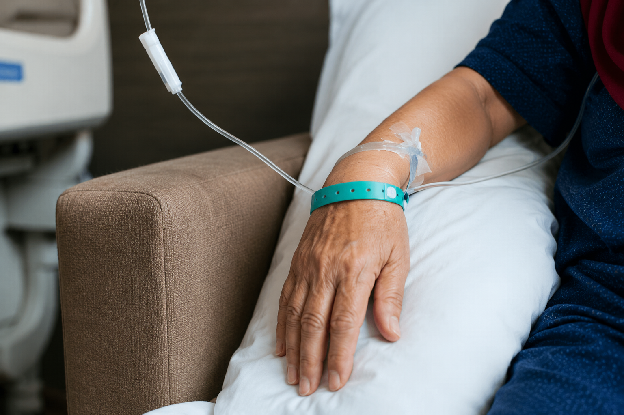
Chemotherapy uses drugs that work on cancer cells and can be administered through infusion, injection, or oral medication depending on the regimen.
Chemotherapy can be used:
- before surgery to shrink the tumor
- after surgery to reduce recurrence risk
- concurrently with radiotherapy
- as primary treatment for certain cancers
- to control advanced disease
The type of drug, dose, and number of cycles differ for each patient.
Radiotherapy
Radiotherapy uses radiation to damage cancer cells in a specific area.
Techniques available at certain cancer centers in Malaysia may include:
- external beam radiation therapy
- IMRT
- IGRT
- VMAT
- stereotactic radiosurgery
- SBRT
- brachytherapy
Selection of technique depends on the type and location of tumor.
Targeted Therapy
Targeted therapy works by targeting specific characteristics or pathways that help cancer cell growth.
Therefore, targeted therapy is not given based solely on the cancer name. In many cases, doctors require biomarker examination, genetic mutations, or certain molecular characteristics before determining whether the patient is a candidate.
Immunotherapy
Immunotherapy helps the immune system recognize or fight cancer cells through certain mechanisms. This therapy has become part of the treatment for some types of cancer, but is not suitable for all patients. Its indications may be influenced by cancer type, stage, biomarkers, and previous therapies undertaken.
Hormonal Therapy
Hormonal therapy is used for cancers whose growth is influenced by hormones, especially some types of breast and prostate cancer. The type of therapy is determined based on the patient's tumor characteristics.
Nuclear Medicine
Nuclear medicine can be used for both diagnostic and therapeutic purposes in certain conditions.
PET-CT, for example, can be used in the diagnosis, staging, or monitoring of some types of cancer. Meanwhile, certain radioisotope therapies are used for specific indications, not as a general therapy for all cancer patients.
Cancer Hospitals in Malaysia
When searching for cancer hospitals in Malaysia, you should not only look at the hospital name. Consider whether the hospital has doctors with subspecializations appropriate to the cancer type, the required technology, radiotherapy or surgical services if needed, and a multidisciplinary coordination system.
Several hospitals with oncology services that can be considered include:
Beacon Hospital
Beacon Hospital in Petaling Jaya has a strong focus on cancer services. Through the Medifly network, its oncology services include chemotherapy, radiotherapy, immunotherapy, palliative care, genetic counselling, and clinical trials.
Listed facilities include PET-CT, diagnostic imaging, and various radiotherapy services. Doctors at this hospital have different focuses, including medical oncology, clinical oncology, radiation oncology, and hematology.
Prince Court Medical Centre
Prince Court Medical Centre in Kuala Lumpur provides medical oncology, radiation oncology, and surgical oncology services.
This hospital uses a multidisciplinary approach with the involvement of cancer doctors, surgeons, radiologists, pathologists, and supportive care teams according to patient needs.
Sunway Medical Centre
Sunway Medical Centre in the Kuala Lumpur area is a quaternary care hospital with various specializations including oncology and hematology. Through the Medifly network, this hospital also has hematology doctors who treat blood disorders and blood cancers.
Subang Jaya Medical Centre
Subang Jaya Medical Centre has oncology and hematology services, including doctors who treat leukemia, lymphoma, multiple myeloma, and stem cell transplantation in appropriate cases.
Gleneagles Hospital Kuala Lumpur
Gleneagles Hospital Kuala Lumpur has an Oncology Cancer Centre with cancer care services, including clinical oncology and multidisciplinary support.
This hospital treats various types of cancer, has several branches in various cities in Malaysia, and has services for both local and international patients.
KPJ Hospitals
Several hospitals in the KPJ network provide cancer services, including KPJ Sabah Specialist Hospital, KPJ Johor Specialist Hospital, KPJ Penang Specialist Hospital, and KPJ Klang Specialist Hospital.
Services and subspecializations differ at each location, so patients should look at which center is most appropriate for the type of cancer and therapy needed. Hospital selection should not be made based on a single "best hospitals" list, but based on clinical suitability for the patient's condition.
Oncology Specialist Doctors in Malaysia

Searching for "the best cancer doctor in Malaysia" is quite common, but there is no single doctor who can be called the best for all types of cancer. What is more important is to find a doctor with appropriate specialization.
Medical Oncologist
Medical oncologists manage systemic therapies such as:
- chemotherapy
- targeted therapy
- immunotherapy
- hormonal therapy
For example, the Medifly network features Dr Kua Voon Foong from Beacon Hospital as a medical oncologist who treats breast, colorectal, and brain cancer among others, with an approach that may include radiotherapy and systemic therapies.
Clinical or Radiation Oncologist
These doctors focus on radiotherapy and in certain systems may also manage other cancer therapies.
Dato' Dr Mohamed Ibrahim A Wahid at Beacon Hospital, for example, has a focus on radiosurgery, SBRT, IMRT/IGRT and systemic therapy for several types of cancer such as breast, lung, head and neck, prostate, and liver cancer.
Surgical Oncologist and Organ-Based Surgeon
Cancer surgery is often performed by surgeons with a focus on specific organs, such as:
- breast surgeon
- colorectal surgeon
- hepatobiliary surgeon
- thoracic surgeon
- gynecologic oncologist
- urologist
Hematologist or Haemato-Oncologist
For leukemia, lymphoma, multiple myeloma, and other blood malignancies, patients may need a hematologist or haemato-oncologist.
Medifly features hematology doctors in Malaysia with a focus on blood cancers, stem cell transplantation, and various hematology therapies.
So, when searching for the best cancer doctor in Malaysia, the more appropriate focus is to find the doctor most relevant to the patient's diagnosis and treatment needs.
What is the Cost of Cancer Treatment in Malaysia?
The cost of cancer treatment in Malaysia cannot be determined based solely on a cancer diagnosis.
Two patients with the same cancer can have very different costs due to stage, type of medication, number of therapy cycles, radiotherapy technique, surgical needs, length of hospitalization, as well as different biomarker results.
Cost components may include:
| Type of Service | Factors Affecting Cost |
|---|---|
| Doctor consultation | Specialization and hospital |
| CT Scan / MRI | Body area and type of examination |
| PET-CT | Type of tracer and facility |
| Biopsy & pathology | Type of procedure and tissue examination |
| Chemotherapy | Type of drug, dosage, number of cycles |
| Radiotherapy | Technique and number of sessions |
| Surgery | Complexity, doctor, anesthesia, hospitalization |
| Immunotherapy | Type of drug and number of cycles |
| Targeted therapy | Type of drug and duration of therapy |
| Hospitalization | Type of room and length of care |
For therapies such as immunotherapy or targeted therapy, drug costs can be a major component of total costs.
Before departing, patients should request an estimate that includes examinations, consultations, primary therapy, medications, hospitalization, and potential additional costs. Medifly states that patients can obtain cost estimates directly from the hospital without markup from Medifly.
How to Choose a Cancer Hospital in Malaysia?
Before choosing a hospital, consider the following:
- whether the hospital has doctors suitable for the type of cancer
- whether medical, radiation, and surgical oncology are available if needed
- whether cases can be discussed through a multidisciplinary team
- available radiotherapy or surgical technology
- pathology and molecular testing services
- PET-CT, CT, or MRI facilities
- hematology services if treating blood cancers
- experience handling international patients
- hospital location
- follow-up capability after patients return to Indonesia
For complex cases, a second opinion can help patients understand whether there are other therapy options before deciding.
The Process of Cancer Treatment in Malaysia
In general, the process may proceed as follows:
Medical records → initial review → selection of doctor and hospital → appointment → consultation → additional examinations → confirmation of diagnosis/stage → MDT discussion if needed → treatment plan → treatment → monitoring and follow-up.
Before departing, patients should send as many medical records as possible so the hospital can understand the initial condition. However, review results before travel are not always a final diagnosis or treatment plan. Doctors may request additional examinations after the patient arrives.
Documents That Should Be Prepared
Patients planning cancer treatment in Malaysia should prepare:
- biopsy results
- histopathology report
- slides or tissue blocks if requested
- CT scan results
- MRI
- PET-CT if available
- blood test results
- biomarker or genetic testing results if previously performed
- surgical reports
- list of chemotherapy or previous therapies
- list of medications used
- allergy history
- medical summary from previous doctor
For patients who have undergone therapy, information regarding dosage and dates of previous treatment is very helpful for doctors in assessing next steps.
Questions That Should Be Asked to the Doctor
During consultation, patients may ask:
- What is the type and stage of my cancer?
- Are additional examinations needed?
- What is the goal of the recommended treatment?
- Do I need surgery?
- Are there alternatives besides chemotherapy?
- Is biomarker testing needed?
- Are targeted therapy or immunotherapy suitable for me?
- What are the benefits and risks of each option?
- How long will the therapy last?
- What side effects should I be aware of?
- What is the total estimated cost?
- How is follow-up after returning to Indonesia?
Read also: Rumah Sakit Kanker di Penang: Panduan Memilih
How Does Medifly Help Patients Seeking Cancer Treatment in Malaysia?
Medifly is an AI-powered medical tourism concierge that helps patients find hospitals and doctors abroad, compare options, and coordinate medical travel.
Currently, the Medifly platform lists dozens of hospitals in its network in Malaysia, including facilities with oncology, clinical oncology, hematology, diagnostic imaging services, as well as international patient services. For patients considering cancer treatment in Malaysia, Medifly can help:
- search for hospitals based on cancer type and therapy needs
- find doctors with appropriate specializations
- use AIRA to obtain personalized matching
- speak with Medifly's in-house clinician
- prepare and send medical records
- request cost estimates from hospitals
- arrange appointments
- coordinate travel and accommodation
- assist communication with hospitals
- provide concierge support through the follow-up stage
Medifly states that matching services, consultations with internal teams, and travel coordination are not charged to patients. Medical costs are provided by hospitals without markup from Medifly; Medifly receives a referral fee from partner hospitals.
Medifly helps patients navigate hospital and doctor options, but diagnosis and treatment decisions remain determined by the treating physician.
Conclusion
Seeking cancer treatment in Malaysia can provide Indonesian patients access to various hospitals, specialist doctors, and treatment options ranging from surgery, chemotherapy and radiotherapy to targeted therapy and immunotherapy.
However, there is no single hospital, doctor, or type of therapy that is right for all patients. The selection of Malaysia cancer hospitals and doctors should be based on cancer type and stage, doctor subspecialization, required facilities, patient condition, and recommended treatment plan.
Likewise with the cost of cancer treatment in Malaysia, which can differ significantly depending on examinations, therapy, medications, and duration of care.
Looking for a Cancer Doctor or Hospital in Malaysia?
Medifly can help you explore options for doctors and hospitals based on your diagnosis, treatment needs, and preferences, as well as help coordinate the process of seeking treatment in Malaysia.
References:
MOH Malaysia – Management of Breast Cancer guideline
Ministry of Health Malaysia. Clinical Practice Guidelines (CPG) Repository.


