
For patients with knee joint injuries or disorders, knee surgery in Singapore is one of the treatment options that can be considered after evaluation by an orthopaedic doctor. Orthopaedic surgery Singapore services cover the treatment of various bone, joint, ligament, tendon, and muscle disorders, including conditions affecting the knee.
Knee pain itself can be caused by sports injuries, ligament or meniscus tears, cartilage damage, or osteoarthritis. Not all of these problems require surgery. For some patients, doctors may recommend physiotherapy, activity modification, medications, or other non-surgical treatments first.
However, when complaints continue to interfere with activities, the knee becomes unstable, or there is significant joint damage, doctors may consider surgical intervention. Orthopaedic Singapore options for knee problems may include arthroscopy, meniscus surgery, ligament reconstruction, osteotomy, or knee joint replacement.
Read also: Rumah Sakit Singapura: Panduan Berobat & Biaya
What is Meant by Knee Surgery and Orthopaedic Surgery?
Orthopaedic surgery is a field of medicine that treats problems in the musculoskeletal system, including bones, joints, ligaments, tendons, and muscles. Therefore, knee surgery in Singapore is one part of orthopaedic surgery Singapore services.
In the knee, surgery can be performed to treat problems with:
- bones
- cartilage
- meniscus
- ligaments
- tendons
- joint surfaces
The purpose of surgery also differs for each patient. Some procedures are performed to repair injured tissue or restore knee stability, while other procedures aim to preserve the natural joint or replace joint surfaces that have sustained severe damage.
Therefore, two patients with apparently similar knee pain may not necessarily require the same orthopaedic procedure.
Conditions That May Require Knee Surgery in Singapore
Orthopaedic doctors in Singapore may consider surgical intervention based on diagnosis, extent of damage, symptoms, patient activity, and response to previous treatment.
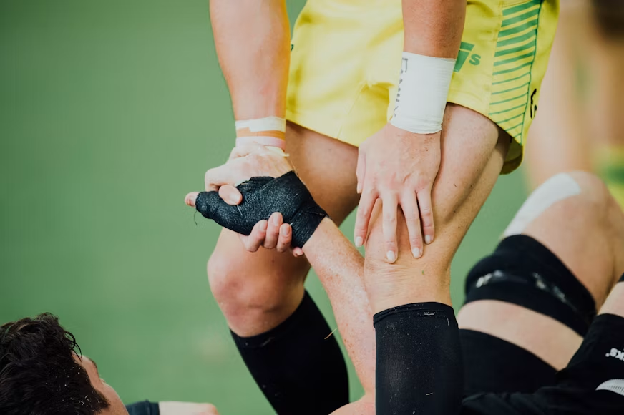
Some conditions that may require further evaluation include:
Knee Ligament Injuries
The anterior cruciate ligament (ACL) is one of the main ligaments that help maintain knee stability. ACL injuries often occur when the knee experiences a change in direction or sudden movement, especially during sports.
In certain patients who experience knee instability or want to return to activities with many twisting movements and changes in direction, ligament reconstruction may be considered.
Meniscus Tears
The meniscus is tissue that functions to help distribute load on the knee joint.
Not all meniscus tears require surgery. However, in certain cases, orthopaedic surgeons in Singapore may consider meniscus repair or removal of part of the damaged tissue.
Cartilage Damage
Injury or degenerative processes can cause cartilage damage in the knee joint. Treatment options depend on the size, location, and depth of the damage as well as the patient's condition.
Knee Osteoarthritis
Osteoarthritis occurs when cartilage in the knee joint undergoes gradual damage, which can cause pain, stiffness, swelling, and limited movement.
In the early stages, treatment is usually not immediately surgical. However, knee surgery in Singapore may be considered if the damage is severe and symptoms remain troublesome even though the patient has undergone non-surgical treatment.
When is Knee Surgery Considered?
Surgery is not the first choice for every knee problem.
Doctors may consider orthopaedic surgery if:
- pain continues to occur and interferes with daily activities
- the knee feels unstable
- range of motion becomes increasingly limited
- there is structural damage on examination
- non-surgical treatment has not provided adequate results
- injury risks causing further problems
The decision for surgery is not only determined by MRI or X-ray results. Age, activity, health condition, occupation, and patient goals also need to be considered.
Types of Knee Surgery and Orthopaedic Surgery in Singapore
There are various orthopaedic procedure options in Singapore for knee problems. The appropriate procedure will depend on the structure that has sustained damage and the patient's condition.
1. Knee Arthroscopy
Arthroscopy is a minimally invasive procedure that uses a small camera and surgical instruments through small incisions to view and perform procedures inside the joint. Arthroscopy can be used in treating certain conditions of the meniscus, ligaments, or cartilage. However, this procedure is not an automatic choice for all types of knee pain.
2. Meniscus Surgery
For certain meniscus tears, doctors can perform meniscus repair to fix and preserve the tissue. If the damaged part cannot be repaired, doctors may consider partial meniscectomy, which is removing the damaged part of the meniscus.
The choice of procedure depends on the location and pattern of the tear, tissue quality, patient age, and healing potential.
3. ACL Ligament Reconstruction
ACL reconstruction is one of the procedures that can be performed in orthopaedic surgery Singapore to treat instability due to ACL tears.
The injured ligament is reconstructed using a graft. After surgery, patients usually require a rehabilitation program to help restore range of motion, strength, and knee function.
4. Cartilage Repair Surgery
Several surgical techniques can be used to address specific cartilage damage. The doctor will consider the size, location and depth of the damage, the patient's age, as well as activity level before determining the options.
5. Knee Osteotomy
Osteotomy is performed by correcting bone alignment so that weight distribution on the joint can be shifted away from the damaged part of the knee.
This procedure may be an option for certain patients who are still active and have damage that is more dominant on one part of the joint.
6. Partial and Total Knee Replacement
Partial knee replacement replaces the damaged part of the joint without replacing the entire knee joint. Not all patients meet the criteria for this procedure. The location and extent of damage are among the factors that need to be evaluated by the orthopedic doctor.
Total knee replacement may be considered in patients with severe joint damage, including advanced osteoarthritis, when pain and functional limitation remain significant despite nonsurgical treatment having been performed. In this procedure, the damaged joint surfaces are replaced with implant components.
7. Robotic-Assisted Knee Replacement
Some orthopedic facilities in Singapore use robotic-assisted technology for certain knee replacement procedures.
These systems can assist doctors in planning and executing several stages of surgery. However, robot-assisted surgery does not automatically provide better outcomes for every patient. Its suitability must still be assessed based on the patient's condition, the procedure, available technology, and the doctor's experience.
8. Revision Knee Replacement
Patients who have previously undergone knee replacement may require revision surgery if problems occur such as implant wear or loosening, infection, instability, or damage around the components. Revision knee replacement is typically more complex compared to the first knee replacement surgery.
How Do Orthopedic Doctors in Singapore Determine the Procedure?
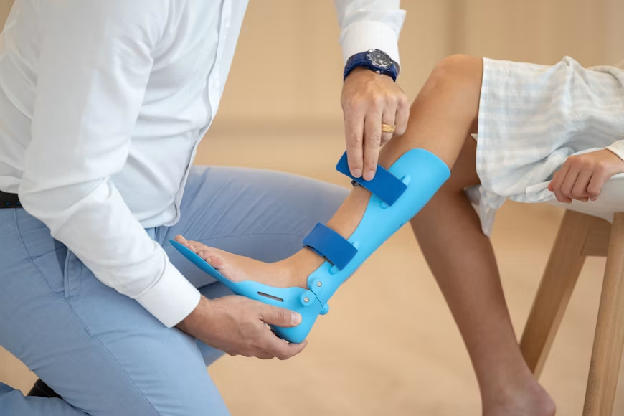
Before recommending knee surgery in Singapore, doctors will typically evaluate the history of complaints, perform a physical examination, and review diagnostic tests.
Doctors may evaluate:
- location and duration of pain
- history of injury
- knee range of motion
- joint stability
- muscle strength
- swelling
- leg alignment
- gait pattern
- treatments that have been performed previously
X-rays can be used to evaluate bone structure and degenerative changes. MRI can help visualize soft tissues such as ligaments, meniscus, and cartilage. CT scans or other examinations may be used in certain conditions.
The examination results are then used together with the patient's clinical condition to determine whether nonsurgical treatment is still appropriate or orthopedic surgery needs to be considered.
Preparation Before Knee Surgery in Singapore
Indonesian patients who wish to consult with an orthopedic doctor in Singapore should prepare medical records before departure.
Documents that can be prepared include:
- X-ray, MRI, or CT scan results
- examination reports
- diagnosis or referral letter if available
- history of physiotherapy and medication
- list of medications and supplements
- information regarding allergies
- notes from previous surgeries
Medical records can help the doctor understand the patient's initial condition, although direct examination or additional tests may still be necessary. Before surgery, also ask about length of hospitalization, physiotherapy, need for walking aids, follow-up schedule, and when the patient is permitted to return to flying to Indonesia.
What is the Process for Knee Surgery in Singapore?
The care pathway may differ for each patient, but in general the orthopedic surgery Singapore process for international patients may include:
Sending medical records → selecting an orthopedic doctor → consultation → additional examinations → diagnosis → determining treatment plan → preoperative evaluation → surgery → rehabilitation → follow-up → return to Indonesia.
Duration of hospitalization and length of stay in Singapore depends on the type of surgery, health condition, progress after the procedure, rehabilitation needs, as well as the doctor's recommendations.
Recovery After Knee Surgery
Rehabilitation is an important part of recovery after many types of knee surgery in Singapore.
Recovery programs may include:
- pain and swelling management
- range of motion exercises
- muscle strengthening
- walking training
- use of crutches or walker if needed
- ongoing physiotherapy
Time to return to work, driving, exercising, or traveling differs based on the procedure and each patient's progress.
Patients also need to contact medical personnel if experiencing worrying symptoms such as fever, wound that becomes increasingly red or discharges fluid, worsening swelling, shortness of breath, chest pain, or pain and swelling in the calf.
Knee Surgery Risks That Need to Be Understood
Every orthopedic surgery has risks. The type and magnitude of risk depends on the procedure and the patient's health condition.
Knee surgery risks may include:
- infection
- bleeding
- blood clots
- reaction to anesthesia
- joint stiffness
- persistent pain
- nerve or blood vessel injury
- instability
- implant problems
- need for additional surgery
Individual risks should be discussed directly with the treating doctor.
How to Choose an Orthopedic Doctor in Singapore?
The term orthopedic Singapore encompasses various subspecializations. An orthopedic doctor who treats the spine, for example, may not necessarily have the same clinical focus as a doctor who treats sports injuries or knee joint replacement.
For knee problems, patients may consider doctors with a focus on:
- knee surgery
- sports orthopaedics
- arthroscopy
- ACL and ligament reconstruction
- meniscus surgery
- cartilage or joint preservation
- knee replacement
- revision knee replacement
Also consider the doctor's experience treating similar conditions, the hospital where they practice, diagnostic and rehabilitation facilities, as well as follow-up support after the patient returns to Indonesia.
How Medifly Helps in Finding Orthopedic Singapore?
Finding orthopedic Singapore services can be confusing because there are many different hospitals, doctors, and subspecialties.
Medifly is a medical travel platform that helps Indonesian patients search for and compare doctors and hospitals abroad based on their condition, needs, and preferences.
For patients considering knee surgery in Singapore, Medifly can help:
- find orthopedic doctors with relevant focus areas
- compare doctor and hospital options
- prepare and send medical records
- arrange consultations
- help obtain information regarding treatment plans and cost estimates
- coordinate medical travel and accommodation
- support communication with hospitals and care teams
The Medifly platform also displays profiles of orthopaedic doctors in Singapore based on areas of expertise, including doctors with a focus on arthroscopy, sports orthopaedics, ligament reconstruction, and joint replacement.
Medifly helps patients navigate treatment options and medical travel, but does not replace medical examination, diagnosis, or clinical decisions by doctors.
Read also: Medical Concierge Indonesia: Pendamping Berobat ke Luar Negeri | Medifly
Conclusion
Knee surgery in Singapore encompasses various procedures, ranging from arthroscopy, meniscus surgery, and ACL reconstruction to osteotomy and knee joint replacement.
As part of orthopaedic surgery Singapore services, the selection of procedures must be tailored to the cause and degree of knee damage, symptoms, activities, health condition, and the patient's response to previous treatment.
For Indonesian patients seeking orthopedic Singapore services, the first step is not to directly choose surgery, but rather to obtain proper evaluation and find an orthopaedic doctor with the appropriate subspecialty.
Need Help Finding an Orthopedic Doctor in Singapore?
Medifly can help you explore orthopaedic doctor and hospital options in Singapore based on your condition and treatment needs.
References:
National University Hospital Singapore. Adult Reconstruction and Joint Replacement Surgery.
Singapore General Hospital. Adult Reconstruction Service – Total and Partial Knee Replacement.


